

Dig Smart by IronClaw
Your guide to safe, professional excavation in Langwarrin & Mornington Peninsula. Learn how to prepare, what to expect, costs and local case studies.
Why Good Drainage Matters: Protecting Your Home and Property from Water Damage
When it comes to protecting your home and property, drainage is one of those things that is easy to overlook — until there is a problem.
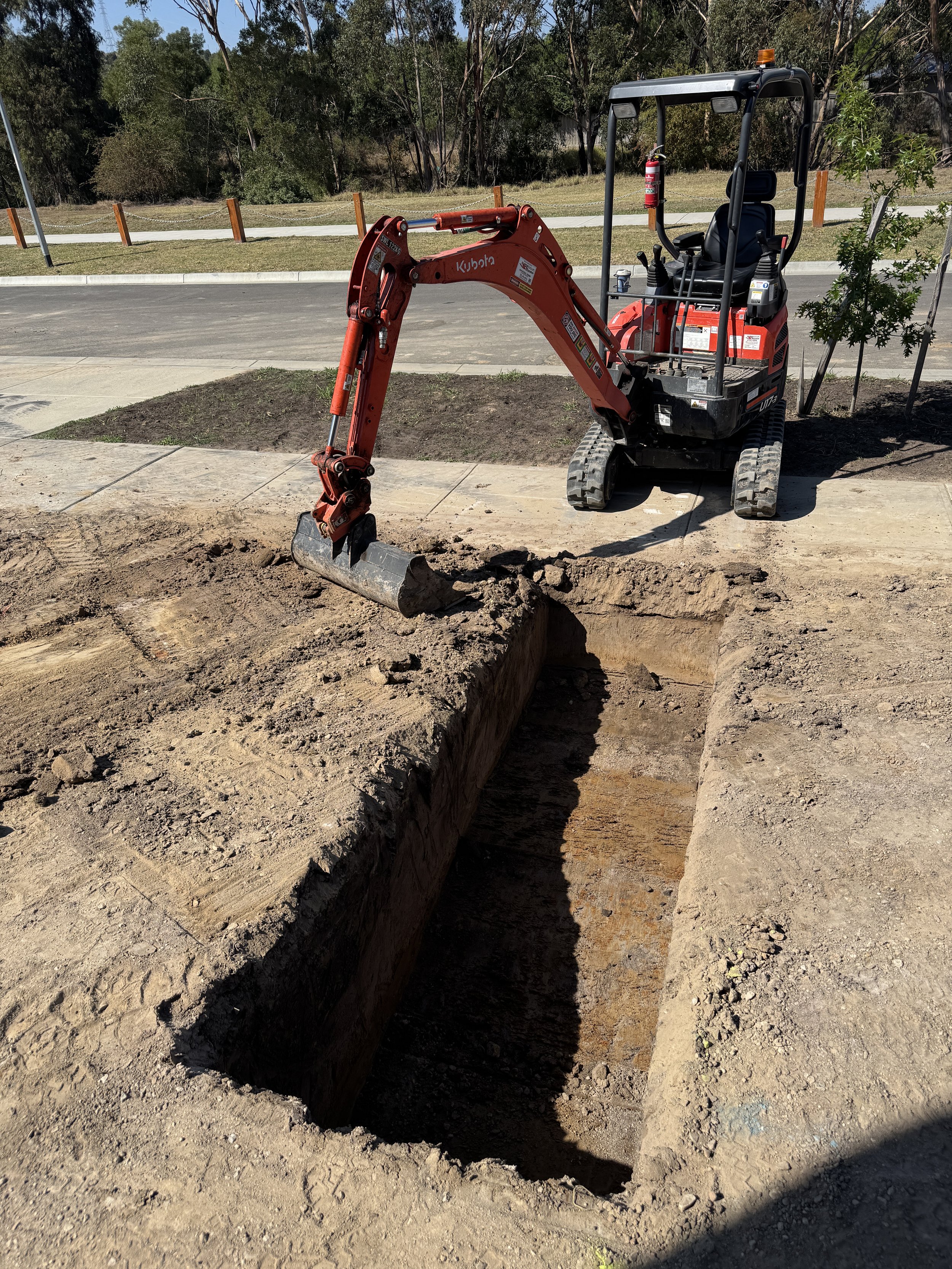
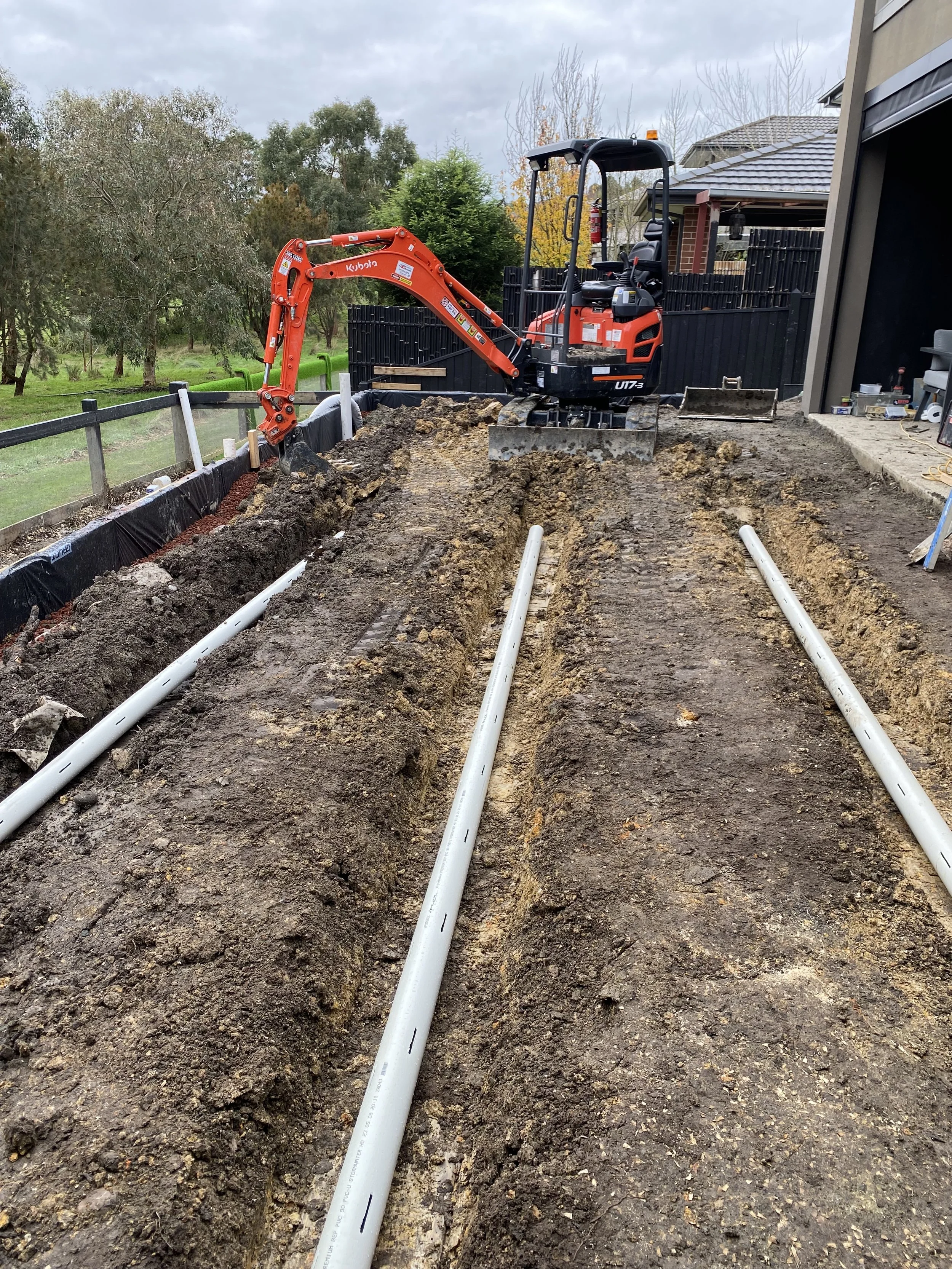
At IronClaw Excavation, we specialise in the excavation work required for residential and landscaping drainage projects, including drainage trenches, stormwater excavation, site preparation, trenching for plumbing and drainage services, and narrow-access excavation.
When it comes to protecting your home and property, drainage is one of those things that is easy to overlook — until there is a problem.
Water can be one of the most damaging forces around a property. A small drainage issue that seems insignificant during dry weather can quickly become a major problem when Melbourne receives heavy rainfall. Water pooling against foundations, saturated soil, overflowing stormwater systems, muddy yards, damaged landscaping and erosion can all be signs that water is not being managed properly.
Good drainage is not simply about getting rid of excess water. It is about controlling where water goes, how quickly it moves and where it is safely discharged.
For homeowners in Langwarrin, Frankston, Cranbourne, Clyde, Botanic Ridge, Pearcedale, Somerville, the Mornington Peninsula and surrounding Melbourne suburbs, effective site drainage can make a significant difference to the long-term condition of a property.
At IronClaw Excavation, we specialise in the excavation work required for residential and landscaping drainage projects, including drainage trenches, stormwater excavation, site preparation, trenching for plumbing and drainage services, and narrow-access excavation.
What Is Property Drainage?
Property drainage is the system used to collect, control and move excess water away from buildings, structures, landscaped areas and other parts of a property.
Rainwater can come from several sources:
• Roofs and gutters
• Downpipes
• Driveways
• Concrete areas
• Paved areas
• Pool surrounds
• Sloping blocks
• Neighbouring properties
• Naturally occurring groundwater
• Runoff from gardens and landscaped areas
Without appropriate drainage, this water has to go somewhere.
If the natural fall of the property directs water toward your house, garage, retaining walls or landscaped areas, the result can be standing water, saturated soil and eventually structural or landscape damage.
A properly planned drainage system helps control this water and direct it toward an appropriate discharge point.
In Victoria, stormwater drainage is also subject to building and plumbing requirements. The Building and Plumbing Commission notes that surface drainage systems are intended to protect people, property and the environment from the adverse effects of stormwater. (Building and Plumbing Commission)
That means drainage should not simply be treated as digging a trench and putting a pipe in the ground. The overall system needs to be properly considered.
Why Is Drainage So Important Around Your House?
Your house is designed to keep water out.
Your roof, gutters, walls, windows, doors, waterproofing and foundations all work together to protect the building from the weather.
But the ground around your house is just as important.
If water continually collects around the building, it can create conditions that eventually cause problems.
1. Drainage helps protect foundations
One of the most important reasons for good drainage is to prevent excessive water from accumulating around the foundations of your home.
When soil becomes saturated, it can change its characteristics. Depending on the type of soil, repeated wetting and drying can contribute to movement, settlement or instability.
Water can also travel through cracks, joints and other vulnerable areas.
Good site drainage helps prevent water from sitting against the building and reduces the amount of uncontrolled water moving through the soil around the property.
This is particularly important when constructing extensions, retaining walls, driveways, patios, sheds, pools and other structures.
Before undertaking excavation around an existing building, it is important to understand the site conditions, existing services and the relationship between finished ground levels and the building.
2. Poor Drainage Can Lead to Water Pooling
One of the easiest drainage problems to identify is water pooling.
You may notice it after heavy rain:
• Water sitting beside the house
• Puddles across the lawn
• Water collecting beside retaining walls
• Muddy areas that never seem to dry
• Water sitting underneath decks
• Puddles forming on driveways
• Water flowing toward the house
• Constantly wet garden beds
• Water collecting at the bottom of a slope
A small puddle might not seem like a major concern.
But if the same area repeatedly becomes saturated every time it rains, there is likely an underlying drainage or grading issue.
Sometimes the solution is relatively simple.
Other situations require excavation, drainage pipes, pits, agricultural drains, spoon drains, regrading or a combination of different drainage solutions.
3. Drainage Protects Landscaping
Landscaping and drainage go hand in hand.
A beautifully landscaped backyard can quickly become difficult to maintain if water is not properly controlled.
Excess water can damage lawns, garden beds, plants, paving, retaining walls and other landscaping features.
For landscapers, builders and homeowners, drainage should therefore be considered early in the project rather than treated as an afterthought.
Before installing a new garden, retaining wall, lawn, paving area, decking area or pool surround, it is worth considering where water currently travels across the property.
Changing the levels of a property can change the way water moves.
For example, installing a large paved area can significantly increase the amount of water running off a particular section of the property.
Victoria’s planning guidance recognises that hard or impervious surfaces increase stormwater runoff and can place additional pressure on urban drainage systems. (Planning)
Good landscaping therefore needs to consider both appearance and water management.
4. Drainage Helps Protect Retaining Walls
Retaining walls and water do not always make a good combination.
A retaining wall holds back soil, but that soil can also hold water.
If water becomes trapped behind a retaining wall, hydrostatic pressure can build up.
This is one reason drainage is such an important part of retaining wall construction.
Depending on the project, retaining wall drainage may include:
• Agricultural drainage pipe
• Drainage gravel
• Geotextile fabric
• Drainage pits
• Subsoil drainage
• Surface drainage
• Appropriate outlets
The exact drainage design depends on the wall, soil, site conditions and applicable construction requirements.
Excavation is often required to create the trench and prepare the area for the drainage system.
This is an area where a small excavator can be extremely useful.
A compact excavator can work along fence lines, beside existing structures and in restricted areas where larger machinery simply cannot access.
5. Stormwater Drainage Helps Manage Heavy Rain
Melbourne weather can change quickly.
A property that appears completely dry during a normal week can receive a significant amount of water during a major rainfall event.
Every roof, driveway, path and paved area contributes runoff.
The larger the hard surface area, the more water needs to be managed.
Stormwater drainage systems are designed to collect and direct this runoff toward an appropriate discharge point.
This may involve:
• Downpipes
• Stormwater pipes
• Drainage pits
• Grated drains
• Surface drains
• Underground drainage
• Rainwater tanks
• Legal points of discharge
• Other approved stormwater management systems
The Victorian Building and Plumbing Commission explains that stormwater includes rainfall runoff from ground surfaces, paving, driveways and other hard surfaces, as well as overflow from tanks and roof guttering. (Building and Plumbing Commission)
The important thing is that water should have a controlled path rather than being left to find its own way.
What Happens When Drainage Is Poor?
Poor drainage can create a chain reaction.
It might start with something as simple as a puddle.
Over time, however, repeated water exposure can contribute to much larger problems.
These can include:
Soil erosion
Fast-moving water can wash soil away from gardens, paths, retaining walls and other structures.
Mud and boggy areas
Poorly drained sections of a yard can remain saturated long after the rain has stopped.
Damaged landscaping
Plants, mulch, soil and lawn can all be affected by excessive water.
Paving movement
Water entering the ground beneath paving can contribute to movement, settlement or deterioration depending on the site and construction.
Retaining wall problems
Water pressure behind a retaining wall can contribute to movement or failure when drainage has not been appropriately addressed.
Water ingress
Where water is directed toward a building, it can increase the risk of water entering through vulnerable areas.
Foundation issues
Persistent water around foundations can contribute to difficult soil and moisture conditions around the building.
Mosquitoes and standing water
Areas where water remains stagnant for extended periods can also become an unwanted feature of the backyard.
The good news is that drainage problems can often be addressed when they are identified early.
How Do You Know If Your Property Needs Better Drainage?
You don’t necessarily need to wait for a major flood to identify a drainage problem.
There are several warning signs worth watching.
Water pools after rain
If water regularly remains on your property after rainfall, investigate why.
Some temporary pooling can be normal during particularly heavy rain.
However, if the same areas consistently collect water, there may be a drainage or grading issue.
The ground stays wet
Does one section of your property stay muddy days after the rest of the yard has dried?
This can indicate poor drainage, compacted soil, groundwater or a low point in the landscape.
Water runs toward your house
During heavy rain, watch where the water travels.
You may discover that water naturally flows toward the house rather than away from it.
This is particularly important when planning new landscaping.
Your retaining wall stays wet
If water consistently collects behind or around a retaining wall, drainage should be investigated.
Your downpipes discharge too close to the house
Downpipes need to discharge water appropriately.
Simply allowing large volumes of roof water to dump beside the foundations can create problems over time.
You have recently changed the landscaping
New paving, retaining walls, garden beds, driveways and other landscaping can change natural water flow.
If you have recently modified your property and suddenly have water problems, the landscaping may have changed the site’s drainage characteristics.
Drainage and Sloping Blocks
Sloping properties present their own drainage challenges.
A sloping block naturally encourages water to move downhill.
That sounds simple, but the water still needs somewhere appropriate to go.
A property on a slope may need drainage to prevent water from flowing directly into:
• The house
• Garage
• Pool area
• Retaining wall
• Neighbouring property
• Garden beds
• Entertaining areas
• Lower sections of the property
Depending on the property, solutions may include surface drains, trench drains, agricultural drains, stormwater pipes, pits or regrading.
The important thing is to consider the entire path of the water.
Moving water away from one problem area without considering where it will end up can simply move the problem somewhere else.
Drainage on Flat Blocks
Flat blocks can also have drainage problems.
In some ways, they can be more challenging because there is less natural fall available to move water.
When a property has limited fall, drainage may require carefully planned pipe gradients and appropriate discharge points.
Excavation may be required to create the necessary trench depths while maintaining appropriate levels.
This is particularly important when installing drainage around:
• New houses
• Extensions
• Garages
• Sheds
• Pools
• Retaining walls
• Driveways
• Alfresco areas
• Landscaped yards
A small difference in levels can have a significant impact on where water ends up.
Drainage Around New Landscaping
If you’re planning a landscaping project, drainage should be discussed before excavation begins.
This is especially important for larger landscaping projects involving significant changes to levels.
For example, a new backyard project might include:
1. Excavating existing soil
2. Installing retaining walls
3. Creating new levels
4. Installing drainage
5. Preparing subgrade
6. Installing paving
7. Installing garden beds
8. Installing turf
9. Completing planting and finishing
If drainage is only considered after the paving and landscaping are complete, fixing the problem can become much more expensive.
It may require removing finished surfaces and excavating the area again.
Planning drainage early is usually much easier than retrofitting it later.
Drainage Excavation
Installing drainage generally requires excavation.
Depending on the project, this could mean digging a narrow trench for stormwater pipes or excavating a larger area for drainage pits, underground services or site regrading.
For residential properties, access is often the biggest challenge.
Many Melbourne and Mornington Peninsula properties have:
• Narrow side access
• Existing fences
• Established gardens
• Retaining walls
• Pool areas
• Existing houses
• Garages
• Decks
• Limited driveway access
This is where compact excavation equipment can make a major difference.
At IronClaw Excavation, our 1.7-tonne Kubota mini excavator is designed for smaller residential excavation projects and tight-access work.
The machine can be useful for drainage excavation where access is too restricted for larger excavation equipment.
Narrow Access Drainage Excavation
Not every property has enough room for a large excavator.
Sometimes the only way to reach the work area is through a narrow driveway, side gate or access path.
This is common on established properties around:
• Langwarrin
• Frankston
• Mount Eliza
• Mornington
• Mt Martha
• Brighton
• Doncaster
• Templestowe
• Blackburn
• Rowville
• Cranbourne
• Clyde
• Botanic Ridge
• Pearcedale
• Somerville
• The broader Mornington Peninsula
A compact excavator can be ideal for these situations.
Instead of relying entirely on manual excavation, a small excavator can efficiently dig trenches, remove soil and prepare areas for drainage installation.
This can save considerable time on larger excavation projects.
The benefit isn’t simply speed.
A smaller machine can also allow excavation to take place in areas where a larger excavator cannot physically fit.
That’s why at IronClaw Excavation we say:
Small machine. Big dig energy.
Drainage Trenches
A drainage trench is essentially an excavated channel designed to accommodate drainage infrastructure.
The exact dimensions depend on the pipe, drainage system, ground conditions, required cover, gradient and project requirements.
The trench may contain:
• Stormwater pipe
• Agricultural drainage pipe
• Bedding material
• Drainage gravel
• Geotextile material
• Connection points
• Inspection points
• Drainage pits
Excavation needs to be carried out carefully because existing underground services may be present.
Before digging, underground services should be identified and appropriate procedures followed.
The Victorian Building and Plumbing Commission’s guidance for stormwater drainage highlights the importance of considering site classification, the legal point of discharge, site plans, the worksite and work health and safety requirements before drainage work is undertaken. (Building and Plumbing Commission)
This is one of the reasons professional excavation and properly coordinated drainage work is important.
Stormwater Drainage and the Legal Point of Discharge
One of the most important things to establish before installing or modifying stormwater drainage is where the water is legally allowed to discharge.
This is commonly referred to as the Legal Point of Discharge, or LPOD.
The legal point of discharge is determined through the relevant local authority arrangements.
You should not simply assume that stormwater can be discharged wherever is most convenient.
Depending on the property, the approved discharge point may involve connection to an existing underground system, kerb and channel or another approved arrangement.
Victorian stormwater guidance identifies the Legal Point of Discharge as an important part of stormwater planning and documentation. (Water and catchments)
For this reason, drainage excavation should be coordinated with the appropriate plumber, council requirements and project documentation.
Excavation vs Plumbing: Who Does What?
This is an important distinction for homeowners.
Excavation and drainage installation are related, but they are not necessarily the same job.
An excavator operator can carry out excavation required for a drainage project.
A licensed plumber or appropriately authorised drainage professional may be required to undertake regulated drainage and plumbing work.
In Victoria, below-ground stormwater drainage is regulated work, and drainage practitioners must meet the relevant licensing and compliance requirements. (Building and Plumbing Commission)
At IronClaw Excavation, our role can be to provide the excavation component of a drainage project.
That can include:
• Trenching
• Excavating for stormwater pipes
• Excavating drainage runs
• Digging for drainage pits
• Removing spoil
• Site preparation
• Backfilling where appropriate
• General excavation associated with landscaping and drainage projects
Where licensed plumbing or drainage work is required, we work alongside the relevant trade rather than attempting to replace them.
This makes us particularly useful to builders, plumbers and landscapers who need reliable excavation support on site.
Drainage for Builders
Builders often need excavation completed quickly and accurately so other trades can continue their work.
Drainage excavation may form part of:
• New home construction
• Extensions
• Renovations
• Alfresco construction
• Garage construction
• Driveways
• Stormwater upgrades
• Site cuts
• Footings
• Retaining walls
• Landscaping
For builders, the excavation contractor needs to understand that the job is part of a larger construction program.
Arriving when scheduled, communicating clearly and leaving the site tidy can be just as important as the excavation itself.
At IronClaw Excavation, we work with builders and other trades across Melbourne’s south-eastern suburbs and the Mornington Peninsula.
Our compact excavator is particularly suited to residential sites where space is limited.
Drainage for Landscapers
Drainage is also an important part of many landscaping projects.
Landscapers may need excavation for:
• Stormwater
• Ag drains
• Drainage trenches
• Retaining walls
• New garden levels
• Paving preparation
• Driveways
• Pool surrounds
• Turf preparation
• Site cuts
• Footings
• Post holes
For a landscaper, having the right excavation equipment on site can make the difference between spending hours digging manually and getting the groundwork completed efficiently.
A compact excavator is particularly useful when access is restricted.
This is one of the main areas IronClaw Excavation specialises in.
We provide wet-hire excavation with an experienced operator, making us a useful option for landscapers who need excavation support without having to supply or operate their own machine.
Drainage Around Pools
Swimming pools and pool landscaping require careful consideration of water.
There can be several different water sources around a pool area:
• Rainfall
• Pool overflow
• Backwash
• Surface runoff
• Garden irrigation
• Groundwater
The surrounding landscape needs to be designed so water does not simply accumulate around the pool or adjoining structures.
Pool excavation and landscaping can also significantly change existing ground levels.
Before excavation begins, it is important to understand how the finished levels will affect water movement.
This is particularly important when a pool is constructed close to a house or retaining wall.
Drainage Around Driveways
Driveways are another major source of stormwater runoff.
Concrete, asphalt and paving are generally impervious surfaces, meaning rainfall cannot simply soak into the ground where it lands.
Instead, water runs across the surface.
A poorly designed driveway can therefore direct large amounts of water toward a house, garage or neighbouring property.
Drainage may need to be incorporated into the driveway design.
Depending on the site, this could involve:
• Channel drains
• Strip drains
• Pits
• Stormwater pipes
• Surface grading
• Underground drainage
Excavation is often required to install the drainage infrastructure beneath or alongside the driveway.
Drainage and Paving
The same principle applies to paving.
When you replace lawn or garden with a large paved area, you change the way water behaves on the property.
Instead of soaking into the ground, rainfall runs across the paved surface.
This is why drainage should be considered before paving is installed.
A well-designed paved area should direct water toward an appropriate drainage point rather than allowing it to run toward the house.
Planning the levels and drainage before installation can help prevent expensive remedial work later.
Drainage and Retaining Walls
Retaining walls deserve particular attention.
Whenever you retain soil, you create a structure that has to deal with the pressure of that soil.
Water within the retained soil can add to that pressure.
Appropriate drainage behind a retaining wall can therefore be an important part of the overall wall system.
If you’re planning a new retaining wall, drainage should be discussed with the retaining wall contractor or engineer as part of the project.
IronClaw Excavation can assist landscapers and builders with the excavation required for retaining wall projects, including trenching and preparation for drainage systems.
What About Water Coming From a Neighbouring Property?
This can be a difficult situation.
If water is flowing onto your property from a higher neighbouring property, the solution isn’t necessarily as simple as installing a drain along the boundary.
The source, direction and volume of the water need to be considered.
In some situations, surface drainage may be appropriate.
In others, underground drainage, retaining structures, grading or other measures may be required.
It is important not to simply redirect water onto another property.
Stormwater needs to be managed responsibly and in accordance with applicable requirements.
If you’re experiencing ongoing water problems caused by surrounding properties, professional advice may be appropriate before excavation begins.
Drainage Maintenance Is Just as Important as Installation
Installing a drainage system is only part of the job.
Like anything around your home, drainage requires maintenance.
Regularly check:
• Stormwater pits
• Grates
• Downpipes
• Gutters
• Drainage outlets
• Channel drains
• Surface drains
• Rainwater tanks
• Areas around retaining walls
Leaves, dirt, mulch, grass and other debris can build up and restrict drainage.
A drainage system that worked perfectly when installed can eventually become ineffective if outlets or pits become blocked.
Keeping drainage infrastructure accessible also makes future maintenance easier.
Don’t Ignore Small Drainage Problems
One of the biggest mistakes homeowners can make is assuming that a small drainage issue will simply disappear.
Water problems rarely fix themselves.
If your property consistently develops the same wet area after rain, that is worth investigating.
The sooner a problem is identified, the more options you may have.
A drainage problem identified before a new patio is installed is much easier to address than a drainage problem discovered after the patio has been completed.
Likewise, drainage should be considered before installing:
• New retaining walls
• Paving
• Decking
• Driveways
• Pool surrounds
• Garden beds
• Turf
• Sheds
• Extensions
• Outdoor entertaining areas
Drainage During New Construction
If you’re building a new home, drainage should be considered from the beginning of the project.
The position of the house, finished floor levels, driveways, retaining walls, landscaping and stormwater infrastructure all interact.
The National Construction Code contains requirements relating to stormwater and surface drainage, with Victorian provisions requiring surface drainage systems to provide protection from the adverse effects of stormwater. (Building and Plumbing Commission)
Victoria has also adopted updated stormwater drainage requirements through AS/NZS 3500.3:2025, with the updated standard applying to relevant plumbing work commenced from 20 October 2025. (Building and Plumbing Commission)
Because drainage requirements can vary depending on the project, property and local authority, your builder, plumber, designer or building surveyor should be consulted about the appropriate system.
Drainage and Soil Conditions
Not every property drains in the same way.
Soil type can make a major difference.
Clay soils, for example, can behave very differently from sandy or gravelly soils.
Some properties naturally drain quickly.
Others can retain water for long periods.
The existing ground conditions should therefore be considered when planning drainage and excavation.
The slope of the property also matters.
So does the location of existing trees, roots, structures, services and retaining walls.
This is why a drainage solution that works perfectly on one property may not be appropriate on another.
Why Professional Excavation Matters
Drainage excavation might look straightforward.
Dig a trench, put in a pipe and cover it up.
In reality, there is considerably more to it.
Excavation needs to account for:
• Existing underground services
• Soil conditions
• Ground stability
• Trench dimensions
• Required levels
• Drainage gradients
• Existing structures
• Access
• Spoil removal
• Machinery selection
• Site safety
• Finished levels
The Victorian Building and Plumbing Commission provides specific guidance relating to bedding, embedment, trench fill, minimum grades and pipe cover for below-ground stormwater drains. (Building and Plumbing Commission)
Using the appropriate excavation equipment and experienced operator can help make the groundwork more efficient and controlled.
Why a 1.7-Tonne Excavator Is Ideal for Residential Drainage
Big excavators have their place.
But residential properties don’t always have room for them.
A 1.7-tonne mini excavator can be an excellent compromise between digging capability and access.
It can provide enough power for many residential excavation tasks while still being compact enough to access smaller properties.
This makes it particularly useful for:
Drainage trenches
Digging narrow runs for stormwater and other services.
Site preparation
Preparing areas for landscaping, paving and construction.
Retaining walls
Excavating for retaining wall footings, drainage and preparation.
Tight-access excavation
Working between houses and fences or through narrow side access.
Landscaping excavation
Removing soil and creating new levels.
Augering
Creating post holes for retaining walls, decks, fences and other structures.
At IronClaw Excavation, our equipment is set up for the type of residential and landscaping excavation work where access is often the biggest challenge.
When Should You Call an Excavator?
If you are planning a drainage project, it is worth speaking with your plumber, builder or landscaper before deciding what equipment is required.
An excavator may be required when you need to:
• Dig a long drainage trench
• Install stormwater infrastructure
• Excavate around retaining walls
• Regrade a section of your property
• Remove large amounts of soil
• Prepare for landscaping
• Prepare for paving
• Install drainage around a new structure
• Excavate for a driveway
• Prepare a pool area
• Improve access around an existing property
For small isolated areas, hand excavation may be sufficient.
For larger projects, a mini excavator can save significant time and labour.
Drainage Excavation in Langwarrin and Frankston
IronClaw Excavation is based in Langwarrin, Victoria, and provides compact excavation services throughout Langwarrin, Frankston and surrounding suburbs.
Our location makes us particularly suited to residential excavation projects throughout Melbourne’s south-east and the Mornington Peninsula.
We regularly work with:
• Homeowners
• Landscapers
• Builders
• Plumbers
• Concreters
• Other construction and landscaping trades
Our work includes drainage excavation, trenching, site preparation, landscaping excavation, retaining wall excavation, post holes, augering and general residential excavation.
If your project has limited access, a compact excavator can often be the right machine for the job.
Drainage Excavation Across the Mornington Peninsula
Properties throughout the Mornington Peninsula can present a wide variety of excavation challenges.
Established homes often have mature landscaping, narrow access, retaining walls, driveways and existing structures that make excavation difficult.
Areas such as Mornington, Mount Eliza, Mt Martha, Frankston, Langwarrin, Somerville and Pearcedale can all contain properties where access is a major consideration.
A small excavator can be particularly useful when the job requires careful excavation around existing structures.
Drainage Excavation Across Melbourne’s South-East
IronClaw Excavation also provides excavation support across Melbourne’s south-eastern suburbs.
Depending on the project, this can include areas such as:
• Cranbourne
• Clyde
• Botanic Ridge
• Rowville
• Doncaster
• Templestowe
• Blackburn
• Brighton
• And surrounding Melbourne suburbs
For landscapers and builders working across Melbourne, having access to a compact excavator with an experienced operator can make difficult residential excavation projects considerably easier.
Drainage Is About More Than Moving Water
It is tempting to think of drainage as simply moving water from point A to point B.
Good drainage is more than that.
It is about understanding the property.
Where does the water come from?
Where does it naturally want to go?
Where should it go?
How much water needs to be handled?
What happens during heavy rain?
What structures are nearby?
What soil conditions exist?
Where are the underground services?
What is the legal point of discharge?
What will the finished landscaping levels be?
These questions should be considered before excavation begins.
A Simple Drainage Checklist for Homeowners
If you’re concerned about drainage around your property, start by walking around after a decent rainfall.
Look for:
1. Standing water
Are there areas where water remains long after the rain stops?
2. Water against the house
Does water collect beside external walls?
3. Overflowing gutters
Are gutters or downpipes struggling during heavy rain?
4. Water flowing toward structures
Does surface water travel toward the house, garage, shed or retaining wall?
5. Erosion
Are garden beds or soil being washed away?
6. Saturated soil
Does a particular section of the property remain wet?
7. Retaining wall issues
Are there signs of movement, cracking or water buildup?
8. Blocked drainage
Are pits, grates or channels full of dirt or debris?
9. Recent landscaping
Have you recently changed levels, installed paving or built a retaining wall?
10. Future projects
Are you planning landscaping, paving, a pool, deck, extension or driveway?
If you answer yes to any of these, drainage should be considered as part of the project.
Planning a Drainage or Excavation Project?
The best time to think about drainage is before the water becomes a problem.
Whether you’re a homeowner planning a backyard renovation, a landscaper preparing for a new project, a builder coordinating residential construction or a plumber looking for excavation support, the right excavation equipment can make a major difference.
At IronClaw Excavation, we specialise in compact residential excavation and tight-access work.
Our 1.7-tonne Kubota mini excavator is suited to drainage excavation, trenching, landscaping, site preparation, retaining wall excavation, augering and other residential excavation projects.
We provide wet hire with an experienced operator, meaning you get the machine and operator together.
We are based in Langwarrin and service Langwarrin, Frankston, Cranbourne, Clyde, Botanic Ridge, Pearcedale, Somerville, the Mornington Peninsula and surrounding Melbourne suburbs.
Whether the job is a drainage trench along a fence, stormwater excavation around a new extension, preparation for a retaining wall or general landscaping excavation, we can help get the groundwork done efficiently.
Small Machine. Big Dig Energy.
If you’ve got a drainage, excavation or landscaping project that needs a compact machine, get in touch with IronClaw Excavation.
IronClaw Excavation
Langwarrin, Victoria
Phone: 0401 900 338
Email: sbllc@outlook.com.au
Website: www.ironclaw.com.au
Drainage excavation | Stormwater excavation | Trenching | Landscaping excavation | Tight-access excavation | Residential excavation | Site preparation | Retaining wall excavation | Augering
Before any excavation begins, make sure underground services, drainage requirements, legal discharge arrangements and any required licensed plumbing work have been properly addressed. Drainage and plumbing requirements can vary depending on the property and project, so appropriate licensed professionals and the relevant local authority should be consulted where required.
Why Hiring an Excavator Operator in Frankston Beats DIY Machine Hire
Discover why hiring a wet hire excavator operator in Frankston, Langwarrin, Carrum Downs, Mount Eliza and surrounding suburbs saves time, reduces risks and delivers a higher quality finish than DIY dry hire.
· excavator hire Frankston
· wet hire excavator operator Frankston
· mini excavator hire with operator Frankston
· earthworks operator hire Langwarrin
· residential earthworks Carrum Downs
· Frankston South excavation contractor
Introduction
When you’re planning excavation, trenching or site preparation in Frankston and surrounding suburbs like Langwarrin, Carrum Downs, Mount Eliza, Baxter, Seaford, Karingal and Frankston South, one of the first decisions you face is whether to hire just the machine (dry hire) and do it yourself—or to book wet hire excavator operator Frankston services, where the machine comes with a professional operator.
At first glance, doing it yourself can seem like the cheaper option. But once you factor in time, risk, rework and quality of finish, hiring an experienced operator almost always delivers a better result.
In this blog, we’ll explore why excavator hire with an operator in Frankston provides better value, faster outcomes and a more professional result for residential and commercial earthworks.
1. The Real Cost Benefits of Wet Hire
Many people assume that operating a machine themselves will save money. However, when you hire a machine without an operator, there are several hidden costs that can quickly add up.
Avoiding Expensive Mistakes: Excavating is not as easy as it looks. Misjudging depth, digging in the wrong place, or damaging underground utilities can lead to costly rework.
Less Risk of Damage: Hiring a machine and running it yourself means you take on all responsibility. Accidental damage to the machine or the property is common with inexperienced users.
Efficient Use of Materials: Professionals know how to cut and fill correctly so that soil is moved once, not multiple times.
All-Inclusive Service: Wet hire bundles machine, operator, attachments and logistics together. You don’t need to worry about extra costs like delivery, fuel or additional tools, which are common surprises when hiring a machine alone.
2. Time Savings: Get It Done in a Day
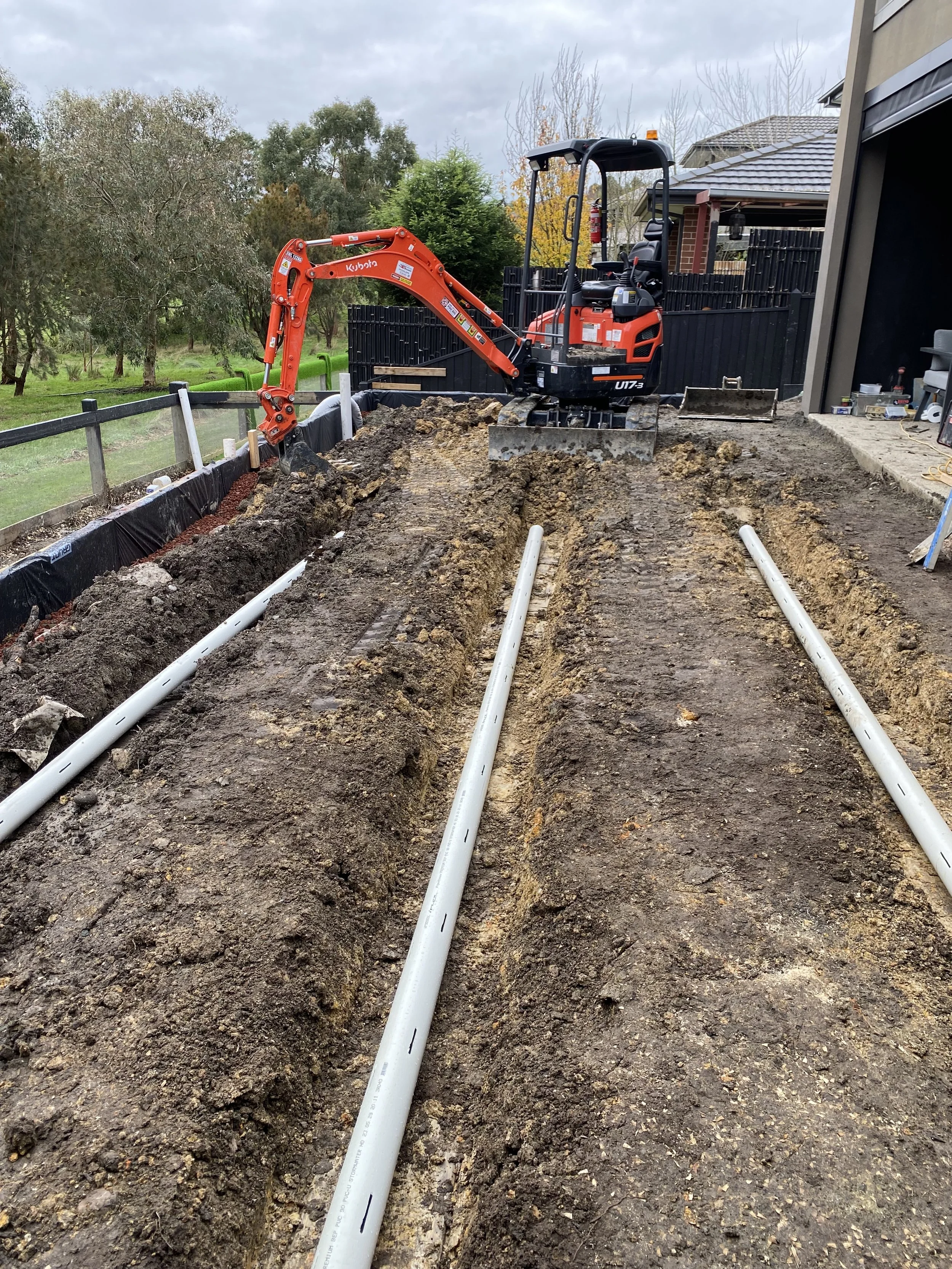
A professional operator can complete in one day what a novice might take a whole weekend—or even several weekends—to finish. Tasks like driveway preparation, trenching for drainage or cutting a site pad can be completed quickly and efficiently.
Professionals spend less time stuck, bogged or fixing mistakes. They also know how to maintain machines during the job, which avoids breakdowns that can bring DIY projects to a halt.
When you’re not stuck behind the levers, you can focus on project planning, organising materials, and coordinating other trades on-site.
3. The Quality Difference
Professional operators are trained to work with exact grades and levels. Whether it’s preparing a driveway, creating drainage falls, or sculpting landscaping areas, they deliver accuracy that is very hard to achieve as a beginner.
An experienced operator knows how to handle tight access areas, such as small backyards in Frankston South or Mount Eliza, and can leave the job looking clean and tidy—something many DIY projects struggle with.
Operating in residential areas like Carrum Downs or Langwarrin requires a good understanding of safety zones, machine limits and local regulations. Wet hire operators are licensed and insured, keeping the site safe for everyone.
4. Frankston Area Case Examples
Example 1 – Driveway Excavation in Langwarrin:
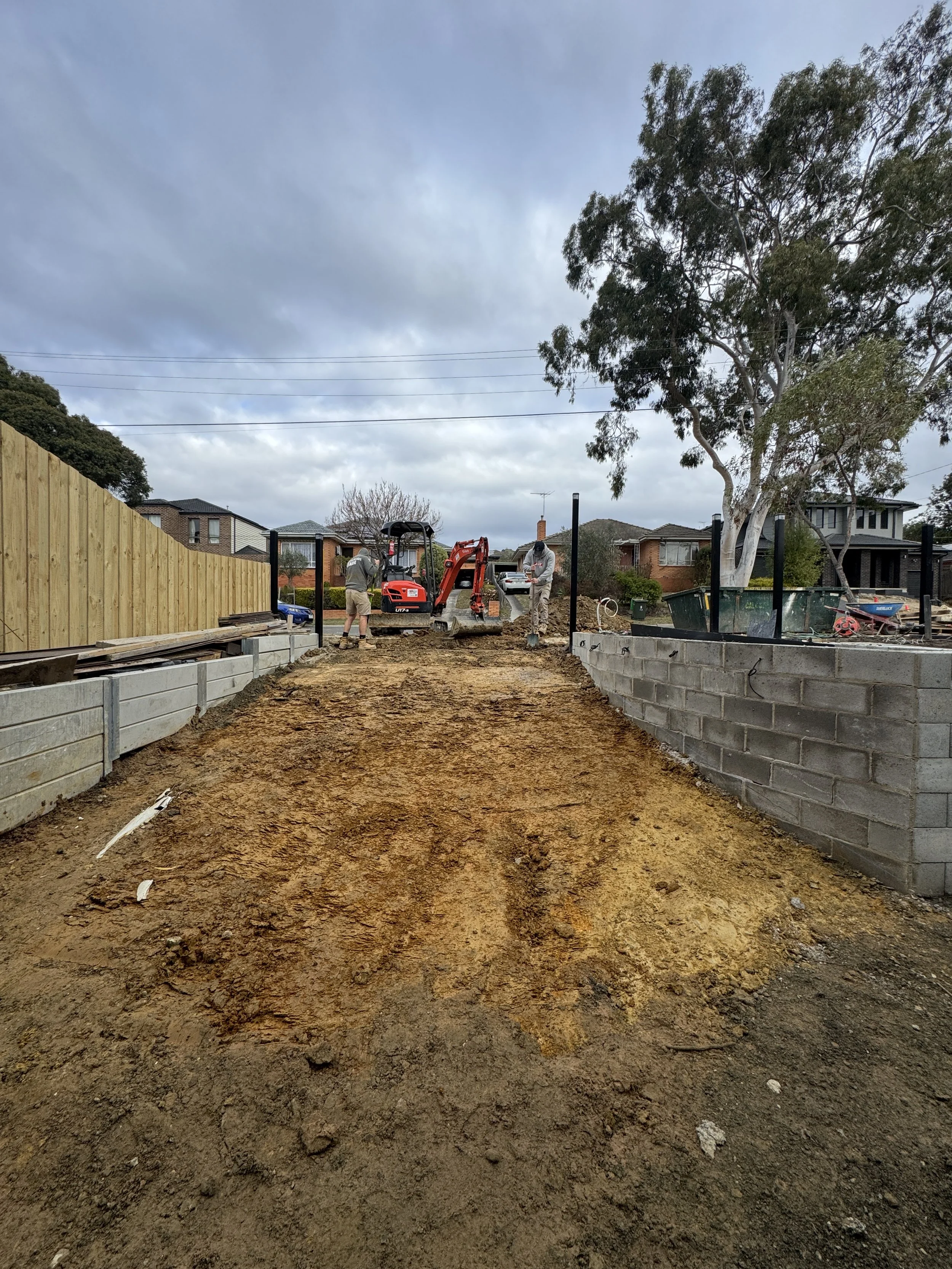
A family wanted to prepare a driveway for new concrete. Initially they considered hiring a mini excavator themselves, but decided to bring in a professional operator. The operator had the site cut, soil removed and the surface compacted in a single day. The concrete crew could start straight away with no corrections needed.
Example 2 – Drainage Trenching in Frankston South:
Trenches for stormwater pipes need to be dug to specific falls so the water drains correctly. A professional operator dug perfectly aligned trenches, ensuring no pooling issues.
Example 3 – Backyard Levelling in Mount Eliza:
In a sloping backyard, a local operator reshaped the ground quickly, creating a flat pad for landscaping and fencing. Tight access and difficult ground conditions would have been nearly impossible for a first‑time operator to manage.
5. Safety and Compliance
In Victoria, any excavation work deeper than 1.5m comes with strict safety requirements. Licensed operators understand shoring, safe working distances from boundaries and overhead hazards. For DIY jobs, these risks are easy to overlook and can have serious consequences.
Local councils around Frankston, Baxter and Seaford often require work to be supervised or performed by certified operators. By hiring an experienced professional, you meet these compliance obligations without stress.
6. When Might DIY Work?
DIY hire can work for very small, low‑risk tasks such as:
- Moving a small amount of garden soil
- Simple jobs in open flat areas
- When you already have machine experience
But even then, you need to factor in your time, insurance responsibility, and the potential cost of errors.
7. Why Local Knowledge Matters
Operators based in Frankston and the Mornington Peninsula know the local soil conditions—whether it’s clay pockets in Baxter or sandy soil in Seaford. They also know how to deal with tight suburban streets for delivery and machine positioning, which is a big advantage compared to hiring from a distant city depot.
8. SEO-Friendly Benefits of Wet Hire in Frankston
If you are a homeowner or small builder searching online, these terms are key when researching:
• Excavator hire Frankston
• Wet hire excavator operator Frankston
• Mini excavator hire with operator Frankston
• Earthworks operator hire Langwarrin
• Residential earthworks Carrum Downs
These searches often lead to experienced local operators who can save you time, stress and money.
9. How to Choose the Right Operator
1. Look for operators based locally in Frankston or Langwarrin so you avoid high travel costs.
2. Check reviews and recent projects on platforms like Google Reviews and local Facebook groups.
3. Ask about inclusions such as attachments, clean-up, and whether float/delivery is covered.
4. Make sure they’re insured and licensed, which is standard for reputable wet hire operators.
10. The Bottom Line
Whether you’re working on a new build in Carrum Downs, preparing a driveway in Langwarrin, installing drainage in Frankston South, or cutting a site pad in Mount Eliza, the benefits of using a professional machinery operator far outweigh trying to do it yourself.
• Lower overall cost because there’s no rework, no damage bills and no hidden extras.
• Faster results so your project stays on schedule.
• Better quality work that looks professional and lasts longer.
• Safety and compliance without the headaches of managing it yourself.
If you want the job done right the first time, hiring a wet hire excavator operator in Frankston is the smartest choice.
Final Word
Doing it yourself might feel rewarding, but when it comes to excavation, it often costs more in the long run. An experienced operator knows the land, the machine, and the best way to achieve a professional result—giving you peace of mind and a finish you can be proud of.
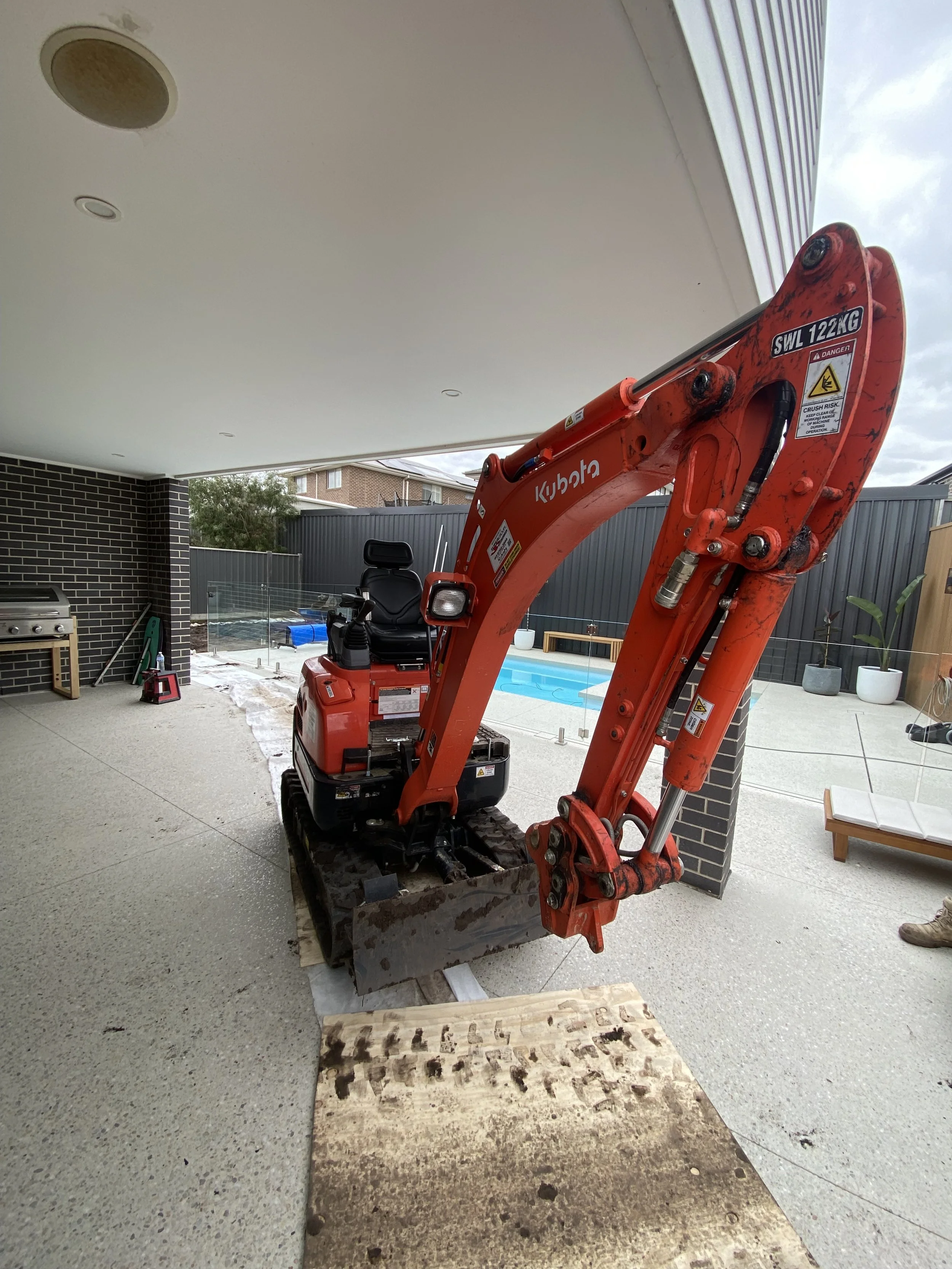
Excavation for Homeowners: A Complete Case Study and Guide for Langwarrin and the Mornington Peninsula
Planning an excavation project on your property can feel overwhelming. Whether you are preparing for a new driveway, landscaping, an extension, a swimming pool, or trenching for plumbing and electrical services, there is a lot more involved than just digging.
In this guide, we explore a detailed case study of a typical residential excavation project in Langwarrin and provide tips for homeowners on how to prepare, what to expect during the work, the likely duration, and potential additional costs. By understanding the process, you will be better equipped to work smoothly with your local excavation contractor.
Introduction
Planning an excavation project on your property can feel overwhelming. Whether you are preparing for a new driveway, landscaping, an extension, a swimming pool, or trenching for plumbing and electrical services, there is a lot more involved than just digging.
In this guide, we explore a detailed case study of a typical residential excavation project in Langwarrin and provide tips for homeowners on how to prepare, what to expect during the work, the likely duration, and potential additional costs. By understanding the process, you will be better equipped to work smoothly with your local excavation contractor.
Case Study: Backyard Excavation for a Home Extension
A Langwarrin family decided to build an extension at the back of their home. The project required a site cut and trenching for services.
Their backyard was like many in the Mornington Peninsula area – established gardens, a narrow side gate, and a mix of sandy and clay soil.
Stage 1: Preparing for Excavation
Before the machines arrive, homeowners have a few important responsibilities:
1. **Planning and Communication:** Discuss the scope with your builder and excavation contractor. Understand what areas will be affected.
2. **Access:** Ensure there is enough room for machinery. Mini excavators can fit through spaces as narrow as 1.2 metres, but sometimes gates or fences need to be temporarily removed.
3. **Clear the Work Area:** Remove toys, outdoor furniture, garden ornaments, and plants from the work zone.
4. **Services:** Call Dial Before You Dig (1100) to ensure underground services are identified and marked before excavation starts.
5. **Neighbours:** If machinery needs to pass close to a boundary or across shared access, speak with your neighbours early to avoid disputes.
What to Expect During Excavation
Excavation is a noisy and busy process, even for a relatively small residential site. Here’s what you can expect:
- **Machinery Movement:** Expect excavators, skid steers (Bobcats), and small tip trucks coming and going.
- **Soil Removal:** Excavated soil (spoil) will be loaded into trucks and taken away. Sometimes soil is stockpiled on-site temporarily.
- **Vibration and Dust:** Machinery can cause mild vibration. Dust suppression measures, like wetting down the site, are often used.
- **Safety Barriers:** Good contractors set up exclusion zones so no children, pets, or bystanders can wander into danger.
- **Daily Communication:** The excavation team will keep you informed about progress and any unexpected findings (such as rock, old pipes, or tree roots).
How Long Will the Work Take?
The duration depends on the complexity of the job:
- **Small jobs:** A simple trench or small site cut might take 1–2 days.
- **Medium jobs:** Driveway preparations or medium-sized backyard works often take 2–4 days.
- **Larger residential projects:** Pool digs, retaining walls, or big extensions can take 5–7 days.
Weather, site access, soil type, and unexpected obstructions can influence the timeline.
Additional Expenses to Be Aware Of
Sometimes unexpected issues add extra cost to an excavation job. These may include:
1. **Hard Ground or Rock:** If the excavator encounters solid rock, specialised machinery may be required.
2. **Tree Roots:** Large tree roots can slow progress and may require removal.
3. **Contaminated Soil:** Occasionally, soil contamination is discovered. This requires safe removal and disposal, which costs more.
4. **Service Relocations:** If underground services (water, gas, electrical) are found in the way, they may need relocating.
5. **Access Modifications:** Temporary fence removal or driveway protection mats can add a small cost.
A good excavation company will discuss these potential extras with you before starting work.
Benefits of Hiring a Professional Excavation Contractor
- **Safety:** Professionals follow all safety regulations, avoiding hazards such as trench collapses or striking services.
- **Efficiency:** Skilled operators work faster and more precisely than DIY options.
- **Equipment:** Contractors use the right machinery for the job, especially in tight access areas.
- **Compliance:** Professional teams handle permits, safety requirements, and liaise with other trades.
- **Peace of Mind:** You know the work will be done right the first time.
Local Knowledge Makes a Difference
Langwarrin, Frankston, Seaford, Carrum Downs, and the Mornington Peninsula have unique soil conditions. Local excavation contractors understand:
- Sandy soils that collapse easily and require safe battering.
- Clay soils that hold water and need compaction.
- Tight suburban lots with limited space.
This local knowledge helps keep your project on track and reduces unexpected surprises.
Conclusion
Excavation is the first step in many major home improvements. By preparing well, understanding the process, and hiring experienced professionals, you can make the experience stress-free and efficient.
If you are in Langwarrin or the Mornington Peninsula and are planning an excavation project, contact a trusted local excavation company. They will guide you through preparation, complete the work safely and efficiently, and leave your site ready for the next stage of your project.
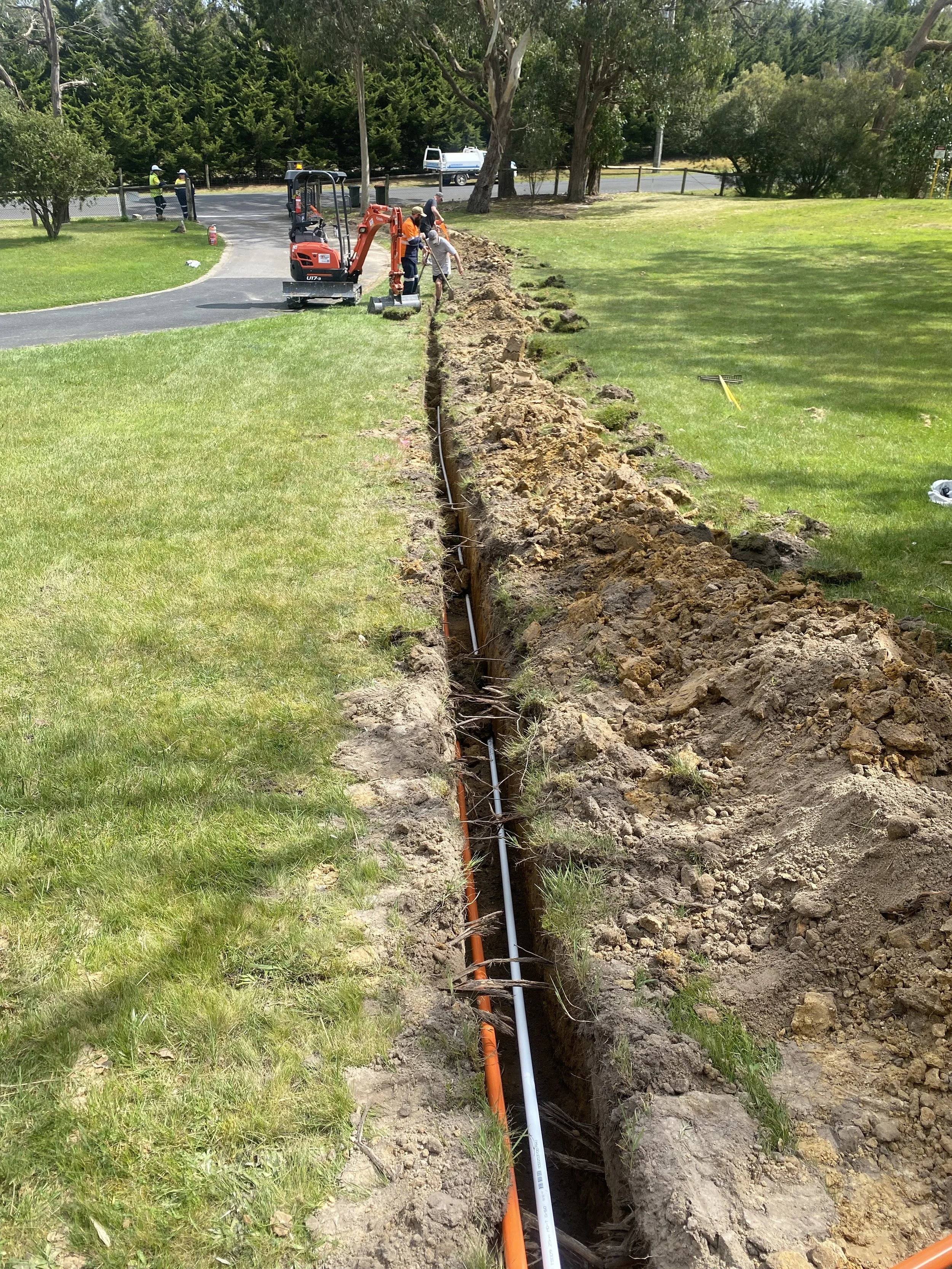
Safety Around Excavators: A Case Study and Guide for Langwarrin and the Mornington Peninsula
Excavation may look simple from the outside – a machine digs a hole and moves some soil.
But in reality, working with excavators and on excavation sites is one of the most hazardous parts of construction and landscaping.
Every year, in Victoria and across Australia, people are injured because of trench collapses, struck-by accidents, and unsafe work practices around heavy machinery.
For anyone planning excavation work in Langwarrin, Baxter, Frankston, Mount Eliza, Seaford or the Mornington Peninsula, safety must be your number one priority.
In this article, we’ll explore a realistic case study of an excavation job, break down what can go wrong, and show how a professional Langwarrin-based excavation contractor manages safety from start to finish.
Introduction: Why Excavation Safety Matters
Excavation may look simple from the outside – a machine digs a hole and moves some soil.
But in reality, working with excavators and on excavation sites is one of the most hazardous parts of construction and landscaping.
Every year, in Victoria and across Australia, people are injured because of trench collapses, struck-by accidents, and unsafe work practices around heavy machinery.
For anyone planning excavation work in Langwarrin, Baxter, Frankston, Mount Eliza, Seaford or the Mornington Peninsula, safety must be your number one priority.
In this article, we’ll explore a realistic case study of an excavation job, break down what can go wrong, and show how a professional Langwarrin-based excavation contractor manages safety from start to finish.
The Case Study: A Residential Trenching Job That Nearly Went Wrong
The Background
A builder in Langwarrin South needed trenches dug for new stormwater and sewer pipes on a residential property. The job was considered straightforward:
- Two trenches at 600mm depth
- Length: around 25 metres
- A few tight spaces close to the house
The builder initially considered hiring a machine themselves and getting a labourer to operate it. However, due to time constraints, they called in a local excavation contractor.
The Initial Site Conditions
On arrival, the excavation team conducted a site safety inspection and discovered:
- The soil was loose sandy loam – prone to collapse.
- There were underground services (water and gas) running through part of the property.
- Access was tight on one side, with a fence just 1.2m wide.
Even on small jobs like this, risks quickly add up.
What Could Have Gone Wrong
1. Striking Underground Services
Without proper checks (Dial Before You Dig), hitting a gas line or electrical cable is a serious risk. DIY operators often assume they know where pipes are, but services can run in unexpected locations.
2. Trench Collapse
In loose sandy soils, walls of an excavation can collapse without warning, even at shallow depths. Anyone in or near the trench can be trapped or injured.
3. Machinery Accidents
Operating an excavator without training can cause:
- Tipping on unstable ground
- Striking a house, fence, or bystanders
- Damage to the machine or nearby property
How the Professional Team Managed Safety
This Langwarrin-based excavation contractor approached the job in five key stages, ensuring safety and compliance from start to finish.
Stage 1: Pre-Site Safety Planning
Before any digging began:
- Dial Before You Dig (DBYD) reports were obtained.
- Underground services were physically located and marked out.
- A job safety plan was prepared, identifying hazards and controls.
This planning alone reduced the risk of striking services to almost zero.
Stage 2: Selecting the Right Equipment
Instead of hiring a large machine, the team used a 1.7-ton mini excavator:
- Small enough to enter through tight access gates
- Light enough to avoid damaging paths and lawns
- Equipped with a narrow trenching bucket to keep trenches precise and safe
This careful choice of equipment kept the work controlled.
Stage 3: Establishing a Safe Work Zone
Safety barriers and cones were set up around the work area.
- Children, pets, and neighbours were kept clear.
- Only the operator and the builder’s plumber had access inside the zone.
This ensured no bystanders wandered near the machine.
Stage 4: Excavation and Shoring
When digging the trenches:
- The operator kept a safe distance from marked utilities.
- Trench walls were battered back (angled) where needed to prevent collapse.
- The plumber was not allowed in the trench while the machine was running.
This simple sequence – dig, shut down, then enter – is crucial to safety.
Stage 5: Backfilling and Site Clean-Up
Once the pipes were laid, the trenches were backfilled in layers and compacted. The site was cleaned and left in a safe condition, with no open holes or unstable soil.
Lessons from the Case Study
1. DIY excavation is risky – small jobs can hide serious dangers.
2. Professional excavation teams reduce risk significantly through planning and training.
3. Tight access does not mean unsafe work – the right mini excavator and method makes it safe.
4. Local contractors understand local soil types in Langwarrin and the Mornington Peninsula and plan accordingly.
Safety Standards and Regulations in Victoria
All professional excavation contractors in Victoria follow the Occupational Health and Safety Regulations. Key requirements include:
- Locating underground services
- Protective measures for trenches over 1.5m deep
- Keeping people and equipment clear of trench edges
- Machine operators must be competent and insured
This is another reason why choosing a professional operator matters.
Key Safety Tips for Homeowners and Builders
If you are planning any excavation work – whether for a new driveway, drainage, retaining wall, or pool – keep these points in mind:
1. Always Use Dial Before You Dig
It’s free and could save your life (and your budget).
2. Keep Clear of Machinery
Stay well clear while machines are operating. Even small excavators are powerful.
3. Never Enter an Unsupported Trench
Even a shallow trench can collapse.
4. Choose a Local Professional
Hire an experienced, insured operator who works regularly in areas like Langwarrin, Frankston, Carrum Downs, and Mount Eliza.
5. Ask About Safety
Don’t be afraid to ask your excavation contractor:
- How do you check for services?
- How do you keep my property safe?
- Are you insured?
Why Local Knowledge Matters
Excavation in the Langwarrin and Mornington Peninsula area brings specific challenges:
- Sandy soil that collapses easily
- Reactive clay in some pockets that holds water
- Tight access in established suburbs
- Increasing underground services (NBN, power, water, gas)
A local contractor knows how to manage these risks.
Conclusion
This case study shows why excavation safety cannot be taken for granted.
What looked like a simple job could easily have gone wrong without a professional approach.
By hiring local, qualified excavation contractors in Langwarrin and the Mornington Peninsula, you ensure:
- Safety for people and property
- Accurate, efficient work
- Compliance with Victorian standards
If you are planning an excavation project—no matter how small—contact a trusted local excavation professional. It’s the safest decision you can make.
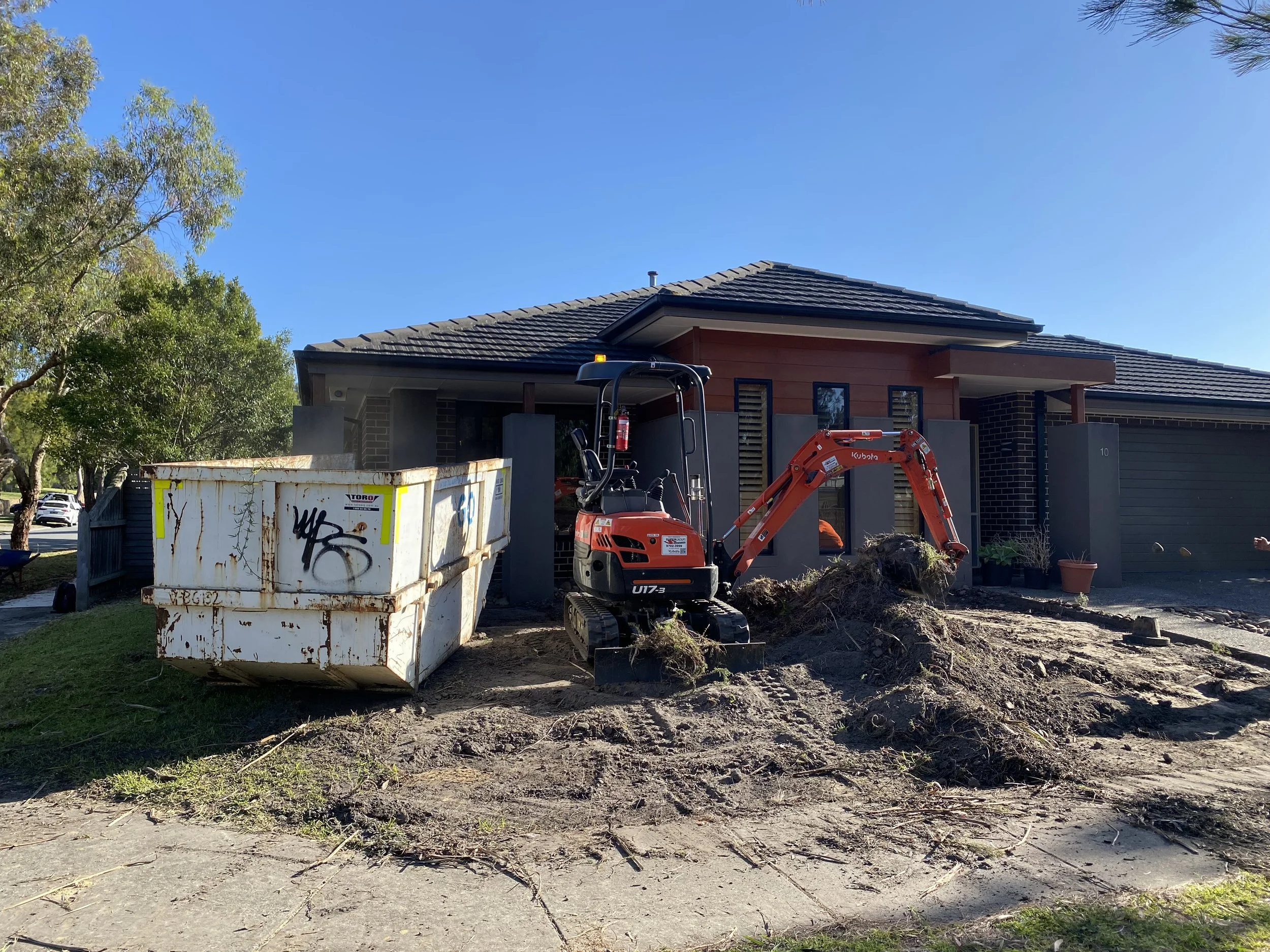
Langwarrin Excavation Services: A Complete Guide for Homeowners and Trades
Excavation is one of those trades that most people never think about—until they need it. From the outside, it looks like “just digging,” but the reality is that excavation is a highly skilled process that forms the foundation of everything built on your property.
Whether you’re a homeowner in Langwarrin preparing for a backyard renovation, a plumber needing trenches for new pipework, or a landscaper trying to level a block, excavation work done right will save you time, money, and stress. Done wrong, it can cause damage, delays, and safety risks.
Introduction
Excavation is one of those trades that most people never think about—until they need it. From the outside, it looks like “just digging,” but the reality is that excavation is a highly skilled process that forms the foundation of everything built on your property.
Whether you’re a homeowner in Langwarrin preparing for a backyard renovation, a plumber needing trenches for new pipework, or a landscaper trying to level a block, excavation work done right will save you time, money, and stress. Done wrong, it can cause damage, delays, and safety risks.
This guide explains:
- Why professional excavation is essential
- The difference between domestic and commercial excavation jobs
- Tight access work and how specialists handle small spaces
- The machinery used on different jobs
- How excavation supports trades like plumbers, electricians, and landscapers
- Key tips for homeowners preparing for excavation
- And seven real-world case studies from Langwarrin and surrounding areas
By the end, you’ll know exactly what to expect and how to choose the right team for your next project.
Why Professional Excavation Matters
Safety First
Digging is risky when done without proper knowledge. Hitting underground services (water, gas, electricity) or causing a trench collapse can have serious consequences. Professional excavation contractors are trained to work safely, protect utilities, and follow Victorian regulations.
Efficiency and Precision
Experienced operators work faster and with more accuracy. They can dig to the exact depth, slope, and width needed and complete in hours what might take a DIYer days.
The Right Equipment
Excavation companies invest in specialised equipment—from mini excavators for backyards to 14-ton machines for commercial sites—so they always have the right tool for the job.
Compliance and Permits
Many excavation jobs require compliance with Dial Before You Dig reports, council permits, and safety standards. Professionals handle this process for you.
Types of Excavation Work
Domestic Excavation
Common residential excavation jobs include:
- Site cuts for house extensions or garages
- Trenching for stormwater, sewer, or drainage systems
- Excavation for swimming pools or spas
- Driveway levelling and base preparation
- Landscaping work, such as creating terraces
Commercial Excavation
For larger projects, excavation can include:
- Bulk earthmoving and site cuts for large buildings
- Road preparation and industrial drainage
- Commercial trenching for services
- Foundations for factories or childcare centres
Tight Access Excavation
Not all properties have wide open spaces. In fact, many suburban Langwarrin homes have narrow driveways, fences, and gardens that limit machine access.
Professional operators use mini excavators (as small as 1.7 tonnes) that can fit through gates and skid steers to move soil without damaging your property. It’s a specialised service and one of the most common needs for domestic projects.
Excavation Machinery Overview
- Mini Excavators (1–3t) – For tight access, small trenches, backyard landscaping
- Medium to Large Excavators (5–30t) – For site cuts, commercial jobs, heavy earthmoving
- Skid Steers (Bobcats) – For site cleanup, soil spreading, and leveling
- Tip Trucks – For removing spoil and bringing in materials
- Augers – Attachments for post holes, piers, and tree planting holes
Excavation for Plumbers and Electricians
Plumbers:
- Trenches for stormwater, sewer, septic systems, and water mains
- Correct depth and slope is critical
Electricians:
- Trenches for underground cables, NBN conduits, and service connections
- Accuracy and safety to avoid future problems
Landscaping and Excavation
Excavators play a big role in landscaping, helping with:
- Levelling uneven blocks
- Building retaining walls
- Digging ponds and water features
- Preparing areas for paving or lawns
Good groundwork makes the landscaper’s job possible.
How Homeowners Can Prepare for Excavation
1. Plan Clearly – Know where you want work done and how machines will access the site.
2. Check Underground Services – Use Dial Before You Dig.
3. Clear the Area – Move furniture, toys, and plants away from the workspace.
4. Talk to Neighbours – If access runs near a boundary, let them know.
5. Hire Professionals – Always use a licensed, insured team.
Real-World Excavation Case Studies
Case Study 1: Tight-Access Pool Excavation in Langwarrin
The Challenge
A Langwarrin family wanted a new in-ground pool, but the only access to the backyard was through a 1.2 m side gate. Standard excavators couldn’t fit.
Our Approach
We used a 1.7-ton mini excavator and small tippers to remove about 30 cubic metres of soil over three days. Protective mats safeguarded the lawn and gardens.
The Outcome
The pool base was completed on time with no property damage, allowing the pool builder to start immediately.
Key Takeaway
Tight access doesn’t have to be a barrier when the right equipment and careful planning are used.
Case Study 2: Driveway Site Cut and Level – Mornington Peninsula
The Challenge
A sloping driveway was dangerous and needed leveling before concreting.
Our Approach
Using a 5-ton excavator and a skid steer, we regraded the slope, installed a compacted crushed rock base, and ensured proper drainage.
The Outcome
A smooth, safe driveway base ready for a concrete pour, with water runoff now correctly managed.
Key Takeaway
Even simple jobs benefit from engineering knowledge about drainage and compaction.
Case Study 3: Plumbing Trenches for a New Build in Langwarrin
The Challenge
A local plumber needed precise trenches for stormwater and sewer lines on a new house site.
Our Approach
We mapped utilities, used a narrow trenching bucket on a mini excavator, and dug to the exact slope required using a laser level.
The Outcome
Trenches were completed quickly and passed inspection on the first go, keeping the build on schedule.
Key Takeaway
Accurate excavation keeps other trades moving efficiently.
Case Study 4: Retaining Wall Preparation for Landscaping
The Challenge
A homeowner wanted to build a tiered garden with three levels of retaining walls on a sloping block.
Our Approach
We excavated and leveled each terrace, compacted the soil, and removed all excess spoil, leaving a clean, stable base for the landscaper.
The Outcome
The landscaper was able to start work immediately, and the retaining walls were completed ahead of schedule.
Key Takeaway
Excavators prepare the canvas for landscapers, setting them up for success.
Case Study 5: Electrical Conduit Trenches – Factory Development
The Challenge
A new small factory required underground power and data cabling around the site.
Our Approach
We worked closely with electricians, using a mid-sized excavator for long straight trenches, keeping depths consistent and clear of other services.
The Outcome
All conduits were installed smoothly, inspected, and signed off without delays.
Key Takeaway
Good coordination between trades makes for efficient projects.
Case Study 6: Bulk Site Cut for Childcare Centre
The Challenge
A large commercial site in Langwarrin needed bulk earthworks before building a childcare centre.
Our Approach
We brought in a 14-ton excavator and multiple tip trucks, removing large volumes of soil and grading the block to exact engineering specs.
The Outcome
The site was ready for construction weeks ahead of schedule.
Key Takeaway
For large projects, proper planning and big machinery are essential.
Case Study 7: Rural Dam and Drainage Channels
The Challenge
A semi-rural property in Langwarrin South needed a small dam and new drainage channels to stop water flowing toward the house.
Our Approach
We used a larger excavator and a laser leveling system to create channels and a holding dam.
The Outcome
The property now has controlled water flow and better water storage for livestock.
Key Takeaway
Excavation is vital for rural water management and flood prevention.
Choosing the Right Excavation Contractor
When looking for an excavation company in Langwarrin, consider:
- Do they have relevant experience?
- Do they own modern, well-maintained equipment?
- Are they insured and licensed?
- Do they communicate clearly and deliver on time?
- Can they handle permits and safety compliance?
Conclusion
Excavation is the foundation of every successful building, landscaping, or trade project. From a backyard pool dig to a commercial site cut, using professionals ensures safety, precision, and efficiency.
If you’re planning an excavation in Langwarrin or the Mornington Peninsula, contact a reputable local excavation contractor for expert advice and reliable service.